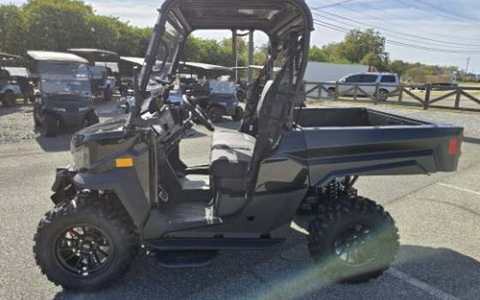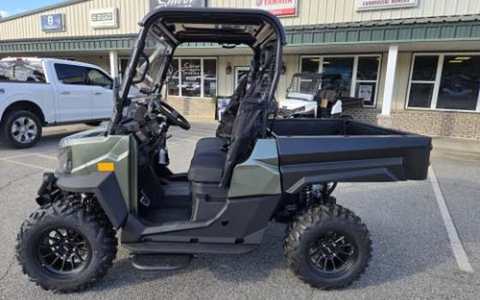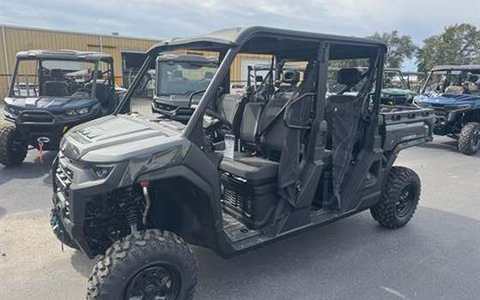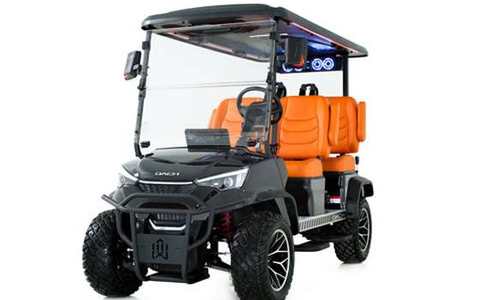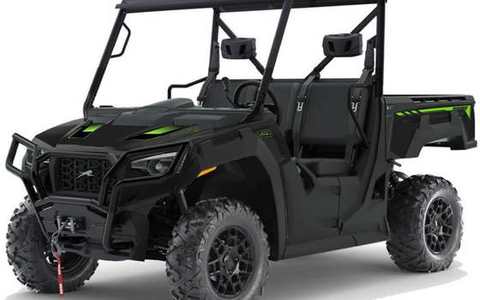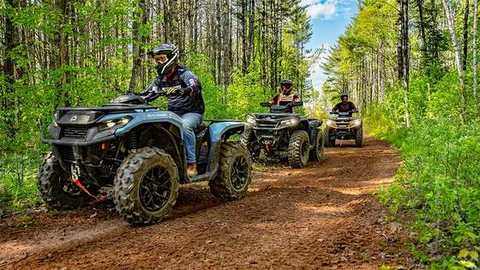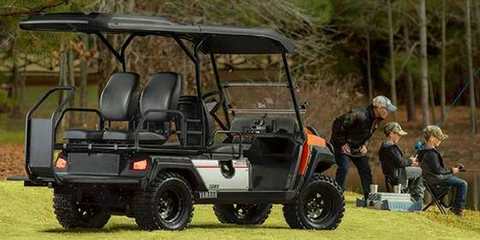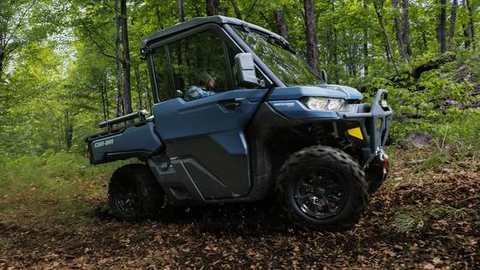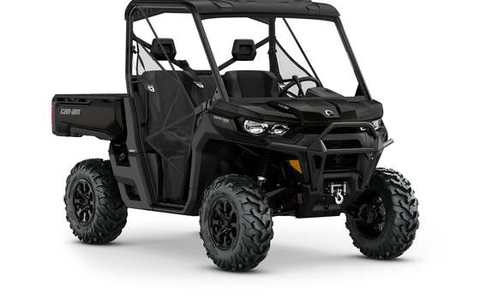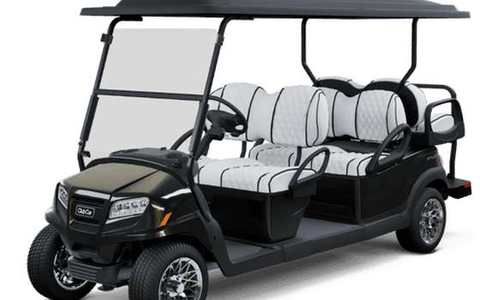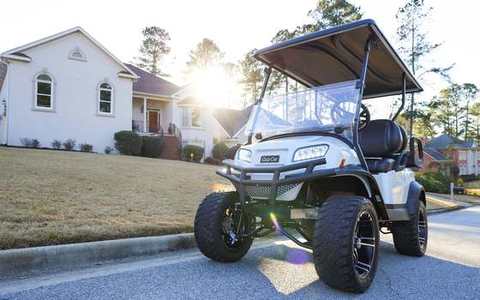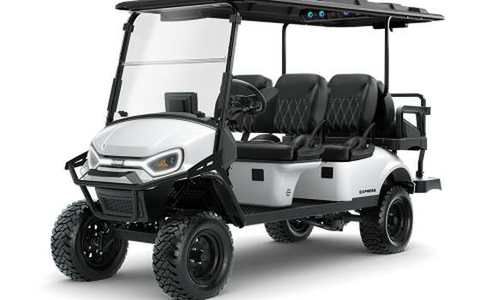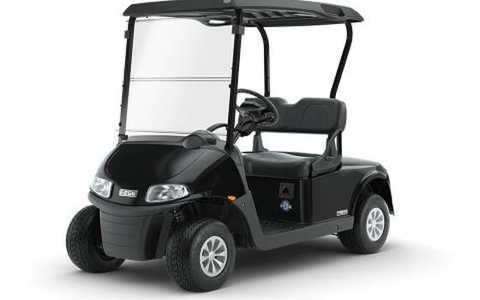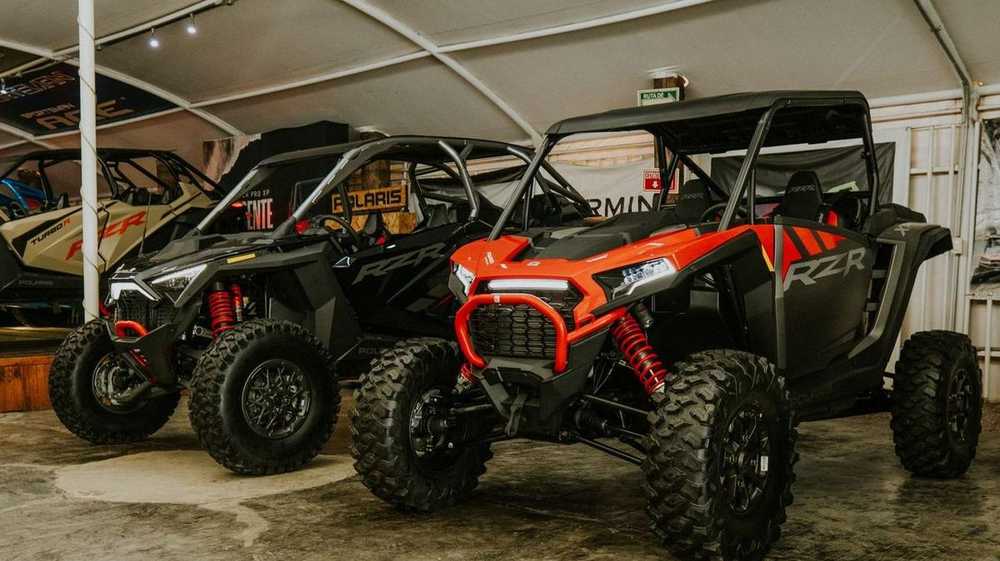
A side-by-side, a utility UTV, and a lifted 4x4 golf cart can all get you down a firebreak or across a pasture, but they are not the same machine. This guide is a practical checklist for matching the vehicle to the land and the work, then knowing what to look at on a dealer lot. It is not a ranked list of brands, and it is not a substitute for a test drive or a conversation with a dealer who knows the machine.
Start with the job, not the photo
Most people start with a picture. A four-seat Ranger or Defender looks ready for anything. A lifted golf cart looks like it will handle a pine plantation. Sometimes that is true. Sometimes the first wet weather, the first loaded cooler, or the first steep bank tells a different story. Write down the job before you shop: who rides, what you haul, how far you go, whether you need to stay quiet, and whether any of the travel is on a public road.
If the work is food plots, stands, and a hunt camp, a hunting UTV or an electric hunting cart may be the better fit. If the work is fence line, feed, and a barn, a utility model with a cargo bed and towing capacity matters more than seating style. If the work is a neighborhood or a golf community, a street-legal low-speed vehicle or a standard golf cart is usually the right starting point, not a full-size 4x4.
What people mean by 4x4, UTV, and side-by-side
These words get used loosely, and dealers do not always mean the same thing by them.
- UTV usually means a utility terrain vehicle, built with a bench or bucket seats, a steering wheel, a cargo bed or rear rack, and more ground clearance than a golf cart. Many are four-wheel drive.
- Side-by-side is the common name for a UTV with two or more seats side by side, as opposed to a straddle-seat ATV. Shoppers searching for a side by side for sale are almost always looking at this category.
- ATV is a different machine. You sit on it, not in it. It can be the right tool for a tight trail or a single rider, but it is not a family or crew vehicle, and it is not a golf cart substitute.
- 4x4 golf cart is usually a lifted cart, sometimes with a four-wheel-drive kit, bigger tires, and extra ground clearance. It can be a good hunting or farm runabout. It is still a golf-cart chassis under the lift, with golf-cart brakes, range, and weight limits.
If a listing says 4x4, ask whether that means a factory four-wheel-drive UTV or a lifted golf cart with larger tires. Those two machines behave differently in mud, on a side hill, and when you add people and gear.
Hunting, farm, and property work
Hunting is one of the main reasons people shop this category, especially in the South. An electric golf cart or electric UTV stays quiet on the way to a stand and does not leave the same exhaust smell. That is a real advantage at daylight and last light. The tradeoff is range and, on some machines, low-speed pulling power in deep sand or rutted clay after a rain. If a typical day is several miles of firebreaks plus a loaded bed, ask the dealer about real-world range with the accessories you actually plan to run: lights, a winch, a cooler, and a second row of seats all draw on the same battery or the same engine.
Gas and diesel UTVs cover longer days and heavier loads. They are louder. They need fuel on the property or in a can, and they need regular service. For a hunt club that already keeps a fuel tank, that may be simple. For a quiet lease with a long walk from the gate, an electric machine may still be the better morning tool, even if a gas UTV is better for mid-day plot work.
On a farm or a large property, look at the bed, hitch, towing rating, and whether the machine will fit through the gates you already have. A wide four-seater is pleasant on a road and a problem at a 10-foot gap in a hog-wire fence. Measure the openings before you fall in love with a model.
Seats, cargo, and what the machine can actually carry
Two-seat utility models put the payload in the bed. Four-seat and six-seat models put more of the payload in people. That sounds obvious, but it changes tire choice, range, and how the machine climbs. If you regularly carry three or four adults plus a cooler, tools, or a deer, say that out loud at the dealership and ask for the payload rating, not just the seat count.
Check how the rear seats fold, whether they sit over the bed or steal the bed, and how you would load a crate or a bag of feed with the seats up. Sit in the back. Some rear benches are fine for a short ride and poor for a long ride down a rutted road. If children will ride, ask about seat belts, hip restraints, and whether the dealer considers that configuration appropriate for the model. Do not assume a golf-cart seat belt kit and a UTV harness are interchangeable.
Powertrains: gas, diesel, and electric
Gas remains the most common UTV powertrain. It is familiar, easy to refuel in the field, and well supported at powersports shops. Diesel shows up more often on heavier work machines and can be a good fit for long idle time and towing, with its own service needs.
Electric has moved quickly, both in golf carts and in some UTV lines. The quiet is the hunting advantage. Lithium packs are lighter than a comparable lead-acid set and usually charge faster, but the pack, the charger, and the controller have to match. A conversion is not the same as a factory electric model. If you are looking at a used electric machine, ask who installed the battery, what the warranty covers, and what happens if a single module fails.
Test the machine the way you will use it. A short parking-lot loop does not tell you how it pulls a load up a sandy grade or how the regenerative braking feels coming down one. If the dealer can put you on a similar surface, take that offer.
Four-wheel drive, clearance, and tires
Four-wheel drive helps when one end of the machine is on a slick or loose surface. It is not a license to climb anything. Ask how the system engages: full-time, on demand, with a locking differential, or as a kit added to a golf cart. Ask whether the rear or front can be locked, and what the dealer recommends for sand, clay, and pine straw.
Ground clearance and approach angle matter as much as the 4x4 badge. Walk around the machine and look at the lowest points: skid plates, A-arms, the differential, the battery tray, and the rear bumper. A lift kit on a golf cart can help, but it also changes the center of gravity. Ask what lift, tires, and wheels are on the unit you are looking at, and whether they were installed by the dealer or by a previous owner.
Tires should match the land. A street-style radial is a poor choice for a hunting lease. A very aggressive mud tire can be noisy and harsh on a packed road and may not be legal if you ever need to use a public road. If you will do some of both, say so and ask for a compromise, not the most dramatic tire on the lot.
Street-legal questions
A UTV, a side-by-side, and a golf cart are not automatically legal on a public road. Low-speed vehicles and street-legal golf carts are a separate class, with equipment, title, and insurance rules that vary by state and often by city or county. A 4x4 UTV that can go faster than a typical LSV may not qualify as one. Do not take a dealer’s shorthand of “street legal” as the last word. Ask what the machine is titled as, what lights and mirrors it has, and what your own city or county allows. If you are in Georgia, read the site’s street-legal golf cart guide as well, and confirm local rules before you buy with road use in mind.
New or used
A new machine from an authorized dealer comes with a warranty, a setup, and a parts counter that already stocks the common pieces. That matters when a belt, a clutch, a charger, or a steering rack goes out in season.
A used machine can be a good buy if you can see how it was treated. Ask for service records. Look under the bed and along the frame for bent metal, cracked welds, and fresh undercoating that might be hiding a repair. Check the steering for play, the brakes for a firm pedal or lever, and the tires for uneven wear. On a gas or diesel model, look at the air filter, the exhaust, and the skid plates. On an electric model, ask for a battery health report if one exists, and budget for a pack if it does not. A cheap used UTV with a tired battery or a damaged frame is not a bargain.
If the seller is a golf cart shop rather than a powersports dealer, or the other way around, that is not automatically a problem, but it should shape your questions. A cart shop may be stronger on lifts, seats, and lithium conversions. A UTV dealer may be stronger on clutches, 4x4 systems, and factory warranties. Buy from the shop that can service what you are taking home.
Safety and a short dealer checklist
These machines tip. They also hide riders less well than a truck. Wear the belts or restraints the machine is equipped with. Keep arms and legs inside. Do not treat a lifted cart like a trail UTV, and do not treat a trail UTV like a car. If you will ride at night, check the lights before you leave the lot, not at the gate of the property.
When you visit a dealer, it helps to have a short list in your pocket:
- What is the payload rating with the seats and bed configured the way I will use them?
- Is this factory four-wheel drive, or a lift and tire package on a two-wheel-drive chassis?
- What is the real range or fuel use with a typical load, not an empty machine?
- Who services it, and how long does a common parts order take?
- If I need to use a public road, what is this vehicle classified as, and what equipment does it have?
- What is on this particular unit that is aftermarket, and who installed it?
- Can I drive it on a surface that looks like the one I have at home?
Bring measurements for gates, a trailer, and any shed you plan to park in. A machine that does not fit the trailer you already own will cost you a second purchase you did not plan.
Where to go next
If hunting is the main use, read the site’s hunting cart guide alongside this one, especially if you are deciding between a lifted electric cart and a UTV. If you are shopping for a neighborhood or a course, a standard or street-legal golf cart is usually the cleaner answer. The dealer directory is there to help you find a shop that actually stocks and services the kind of machine you want, whether that is a golf cart dealer, a UTV dealer, or both.