
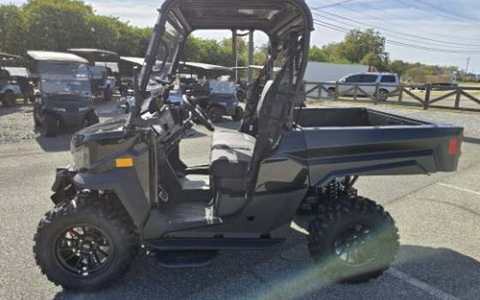
Featured dealer
Shiver Carts LLC — Tifton
1207 Hwy 82 East, Tifton, GA 31794
Photo from shivercarts.com

Lithium has changed the electric cart. Here is what to know and who sells them.
Electric golf carts now outsell gas carts in most neighborhoods, and for good reason: they are quiet, they cost very little to charge, and lithium batteries have taken away most of the old headaches with watering and replacing lead-acid packs. The dealers on this page sell electric carts, and every listing links straight to the dealer’s website so you can see what they carry.
A few years ago, most electric carts ran on six or eight lead-acid batteries that needed distilled water and wore out in a handful of seasons. Today many new electric carts ship with a lithium pack. E-Z-GO sells its ELiTE lithium line, Club Car offers lithium on the Onward, and brands such as Evolution, Denago, and ICON are built around lithium from the start. Lithium packs are lighter, need no watering, and hold voltage more evenly as they drain, so the cart does not feel tired at the end of the day.
That does not make every lithium pack equal. Ask the dealer for the battery’s rated capacity, the warranty length and what it covers, and how the charger is matched to the pack. If you are converting an older cart, the lithium vs. lead-acid guide covers what has to change besides the batteries.
Advertised range assumes flat pavement and a light load. Hills, sand, a lift kit with big tires, four adults, and a cold morning all cut into it. If you plan to use the cart on a farm or hunting property, tell the dealer the longest day you expect, including the ride back to the charger, and buy more battery than you think you need.
Quiet is the reason hunters want electric. An electric cart can slip down a field road at daylight without the engine noise that tells every deer on the place someone is coming. A lifted electric cart with all-terrain tires and a rear basket handles most plantation roads and food plot edges. For steep, wet, or truly rough ground, look at an electric UTV instead. We cover both in hunting with electric golf carts.
Many electric carts are sold as street-legal low-speed vehicles with lights, mirrors, seat belts, and a VIN. Others are personal transportation vehicles that can only use streets a city or county has opened to them. The difference matters for titles, tags, and where you can drive. See street-legal golf carts before you buy for the road.
Dealers
Free listings from public sources. Each entry uses the business’s own published name, address, phone, and website, with a source link. Featured spots are chosen by the editor and are not paid unless they are marked Sponsored. We do not publish prices, ratings, reviews, or inventory. Confirm details with the dealer before you go.
1207 Hwy 82 East, Tifton, GA 31794
Photo from shivercarts.com
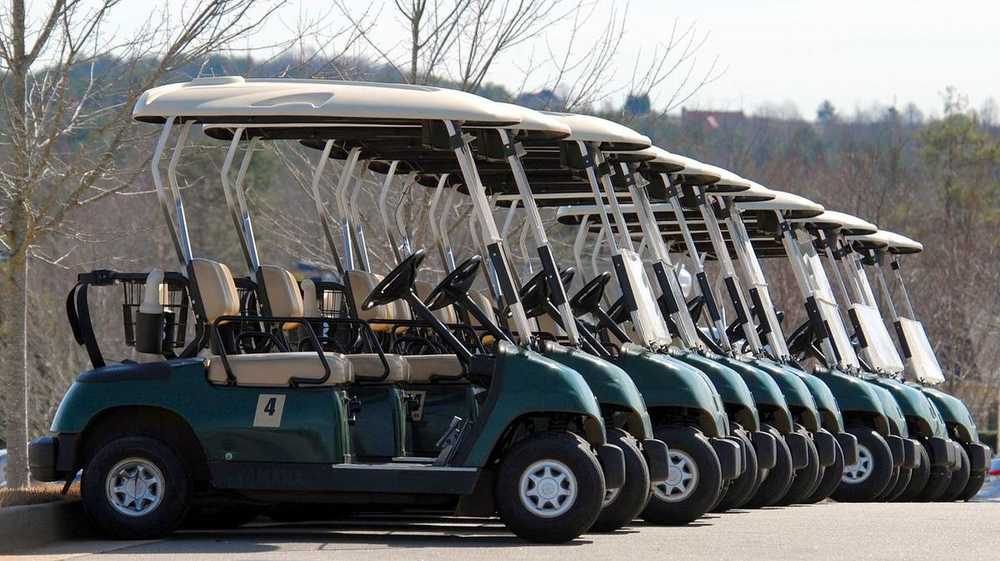
1678 Carpenter Rd S, Tifton, GA 31793
Illustrative stock photo
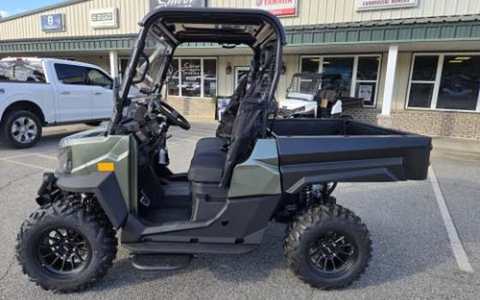
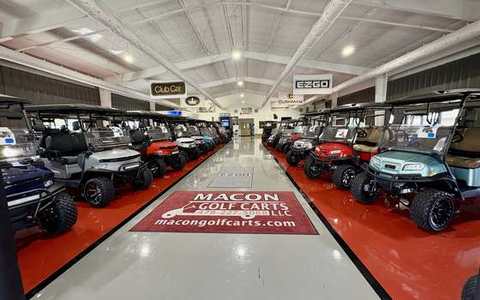
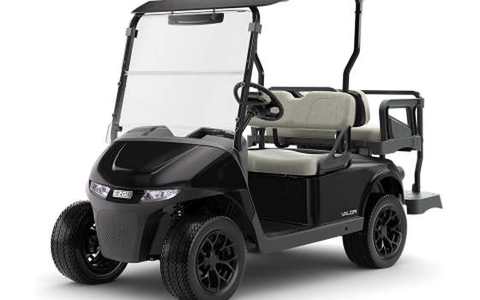
1506 East Jackson Street, Thomasville, GA 31792
Illustrative stock photo
112 S. Houston Lake Rd., Warner Robins, GA 31088
Illustrative stock photo
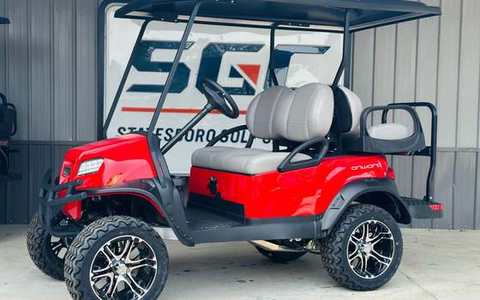
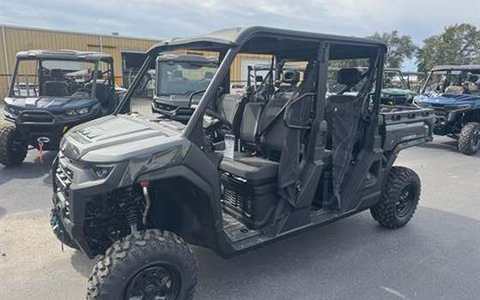
529A Bowens Mill Rd SW, Douglas, GA 31533
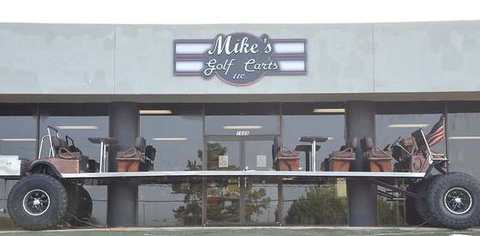
Photo from mikesgolfcartsga.com
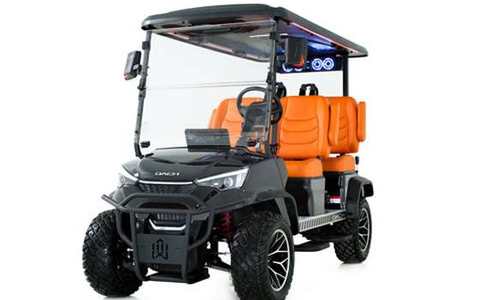
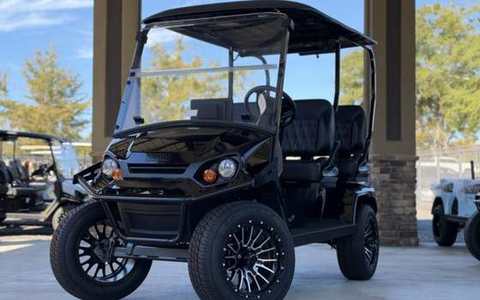
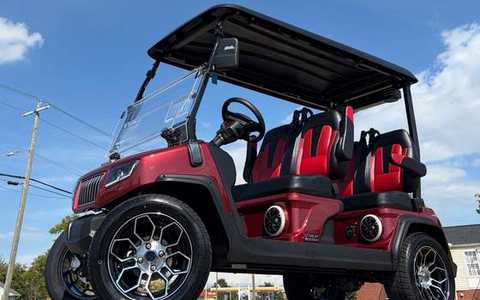
1001 Moba Dr, Suite C, Peachtree City, GA 30269
Photo from boterocarts.com
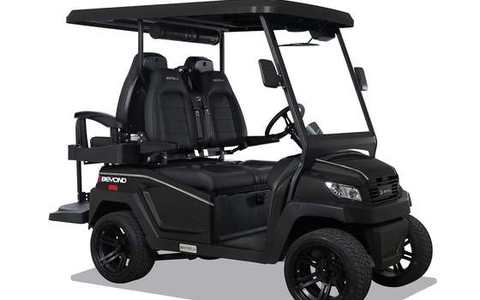
100 N Peachtree Pkwy, Suite 8B, Peachtree City, GA 30269
Photo from bintelligolfcarts.com
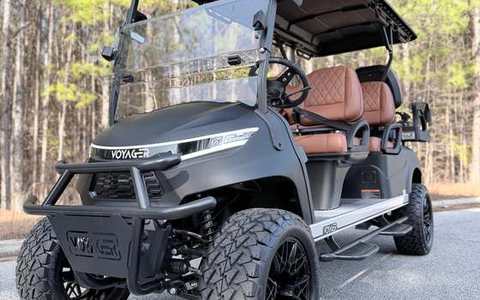
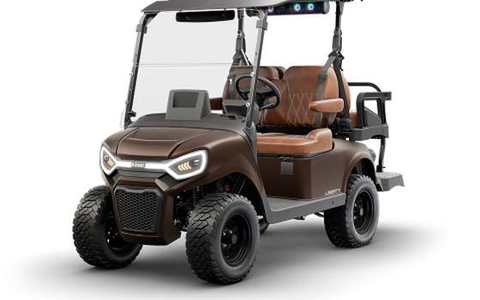
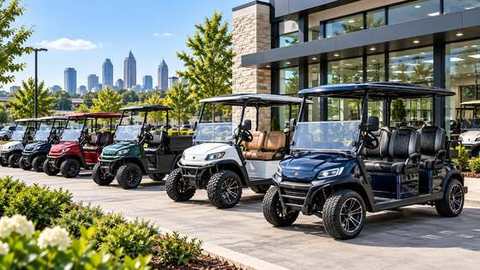
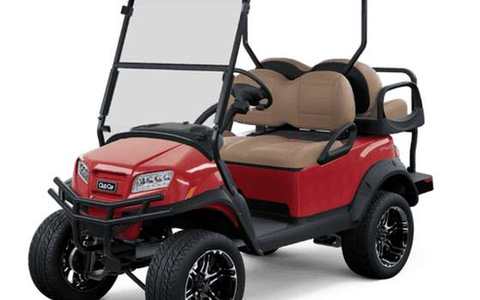
1545 Mountain Industrial Blvd, Stone Mountain, GA 30083
Manufacturer photo: Club Car
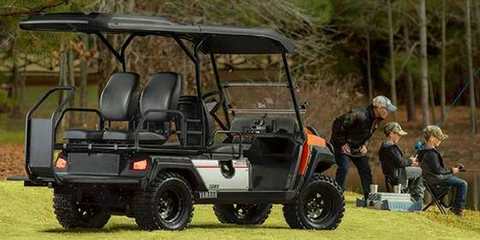
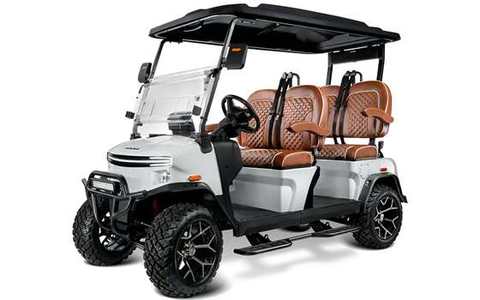
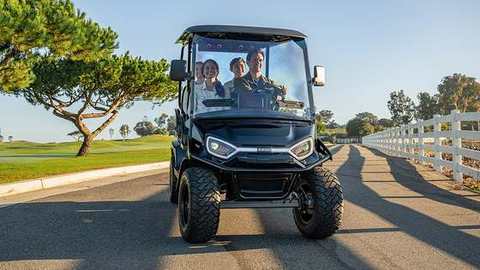
1000 Pine Barren Rd, Unit 101, Pooler, GA 31322
Photo from ezgofactorydirect.com
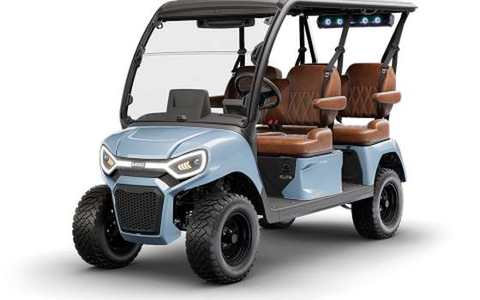
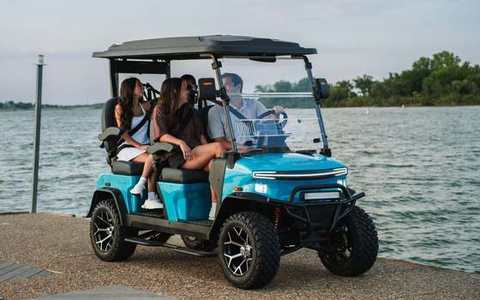
5900 Coca Cola Blvd, Suite A, Columbus, GA 31909
Manufacturer photo: Denago EV
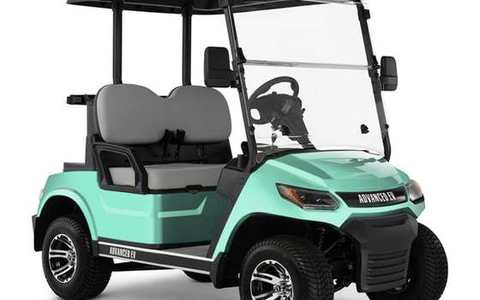
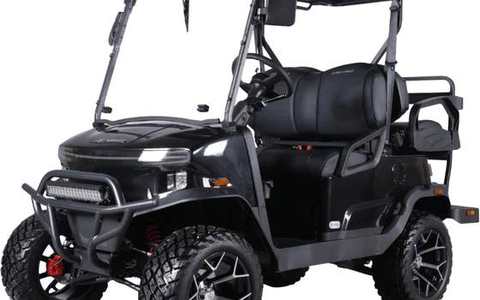
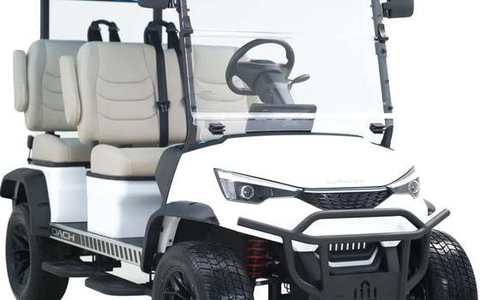
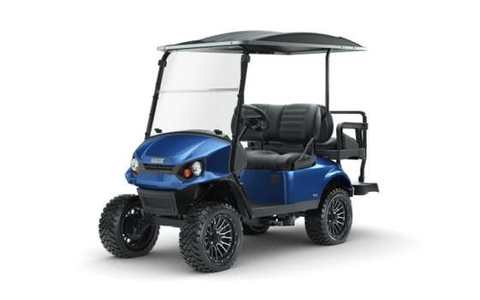

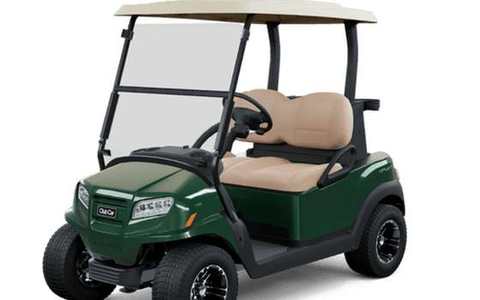
8585 SW Hwy 200, Suite 1B, Ocala, FL 34481
Manufacturer photo: Club Car
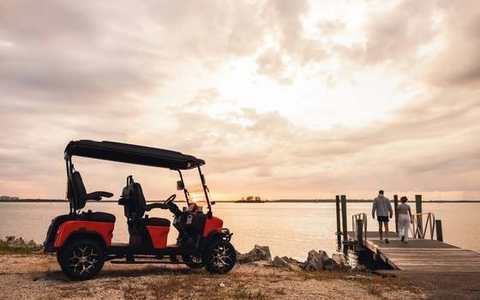
1919 NE Jacksonville Rd, Suite 103, Ocala, FL 34470
Photo from localgolfcarts.com
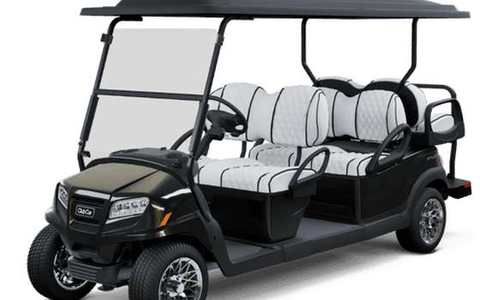
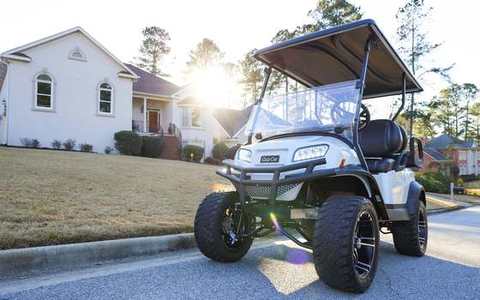
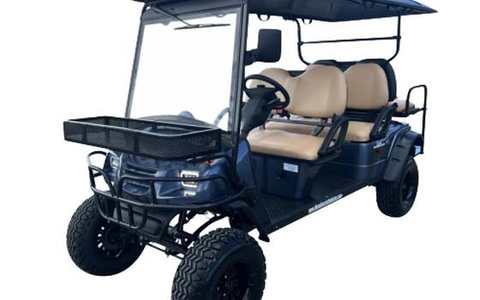
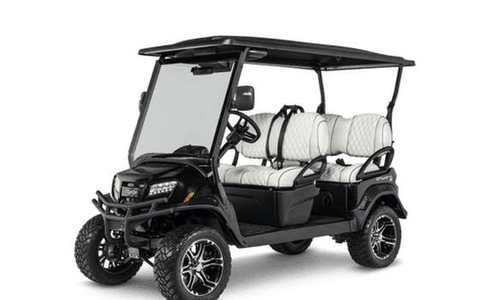
4501 NW 6th St, Gainesville, FL 32609
Manufacturer photo: Club Car
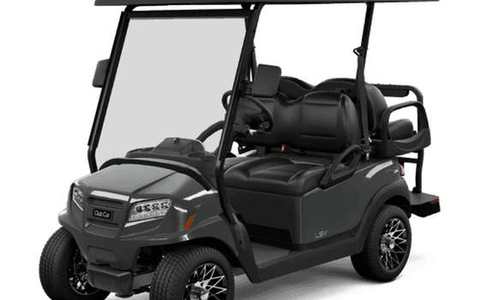
25 Sherington Dr, Unit F, Bluffton, SC 29910
Photo from ezgofactorydirect.com
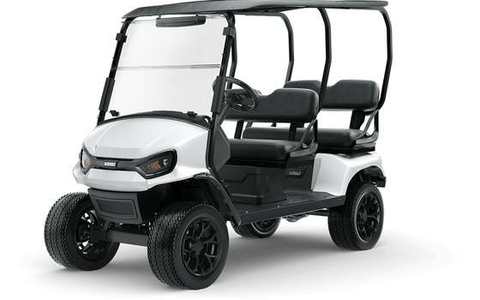
594 Johnnie Dodds Blvd, Mount Pleasant, SC 29464
Photo from gowithgarretts.com
604 Northwoods Dr, Suite D, Fountain Inn, SC 29644
Photo from gowithgarretts.com
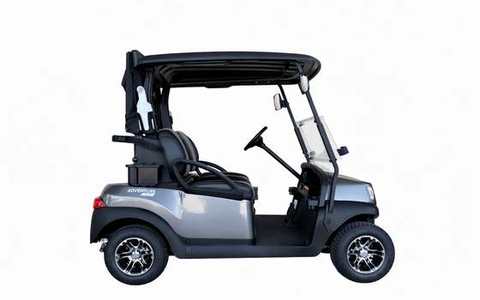
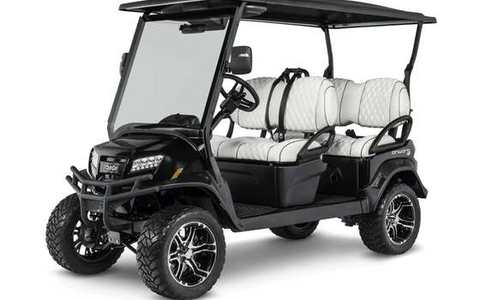
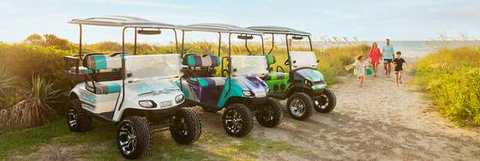
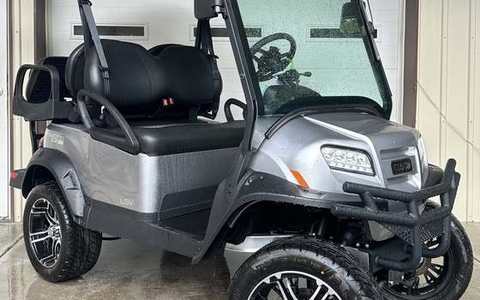
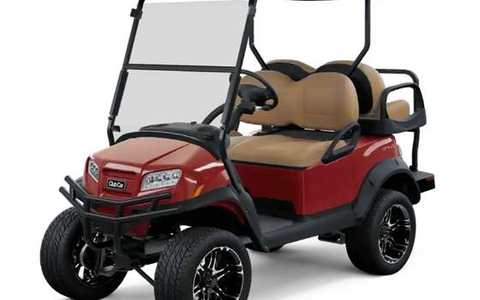
5912 Carolina Beach Road, Wilmington, NC 28412
Photo from golfcarsofcoastalcarolina.com
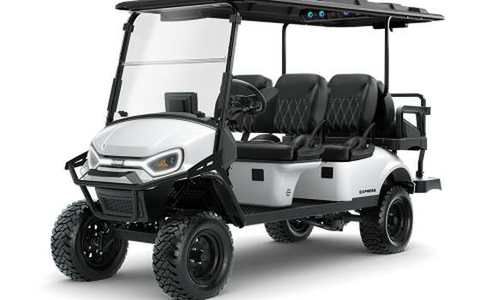
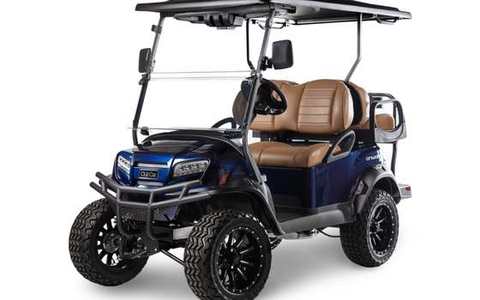
160 Inverness Plaza, Birmingham, AL 35242
Photo from diamondgolfcars.com
1550 Opelika Rd, Suite 12, Auburn, AL 36830
Photo from diamondgolfcars.com
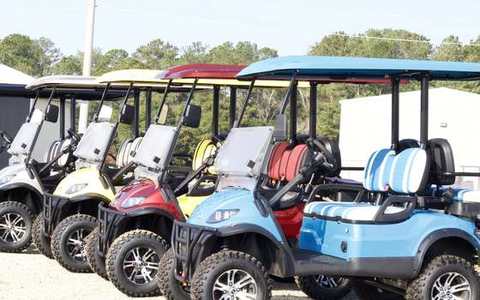
2220 S Brannon Stand Rd, Dothan, AL 36305
Photo from bigdawgccandt.com
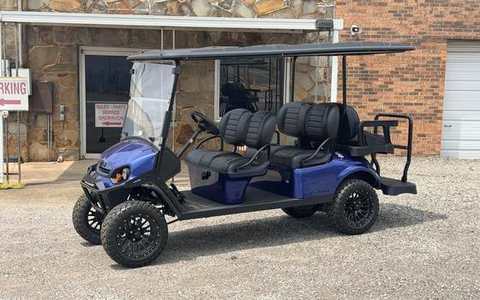
2945 Logan Martin Dam Road, Vincent, AL 35178
Photo from southlandgolfcarts.com
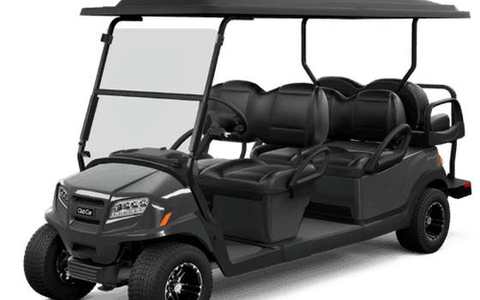
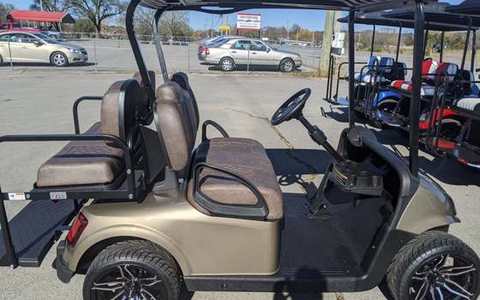
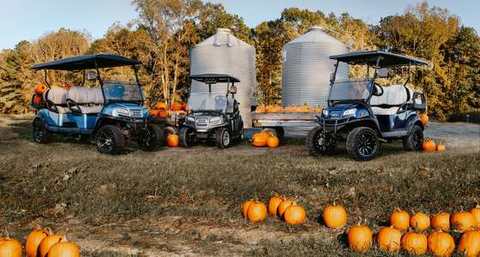

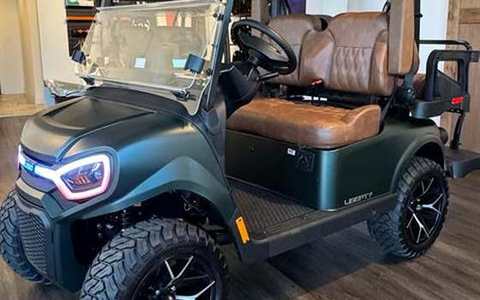
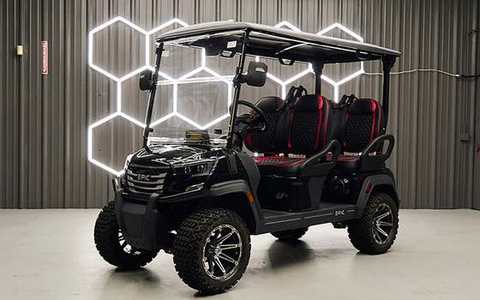
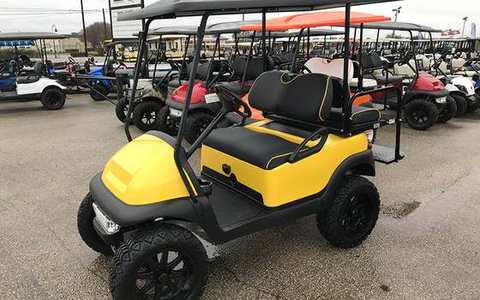
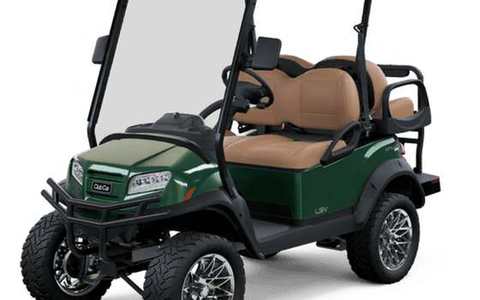
2726 W Mockingbird Ln, Dallas, TX 75235
Manufacturer photo: Club Car
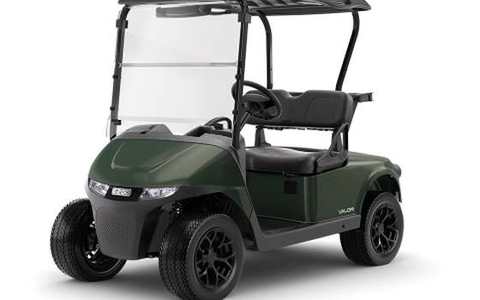

11219 N. Freeway, Houston, TX 77037
Photo from golfcarsofhouston.com
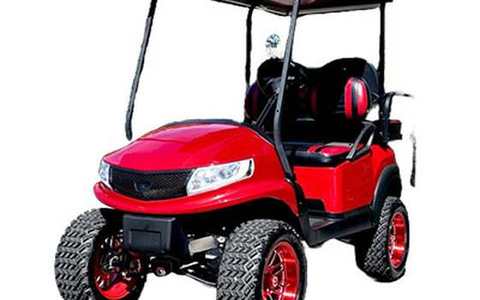

It depends on the battery, the load, the terrain, and the tires. Advertised figures assume flat pavement. Hills, sand, lift kits, and passengers all shorten range, so ask the dealer to size the battery for your longest day.
For most buyers, yes. Lithium is lighter, needs no watering, and holds power more evenly as it drains. Compare the warranty and the rated capacity, not just the word lithium. See lithium vs. lead-acid.
Yes. They are much quieter than gas, which is why hunters use them. Read hunting with electric golf carts.